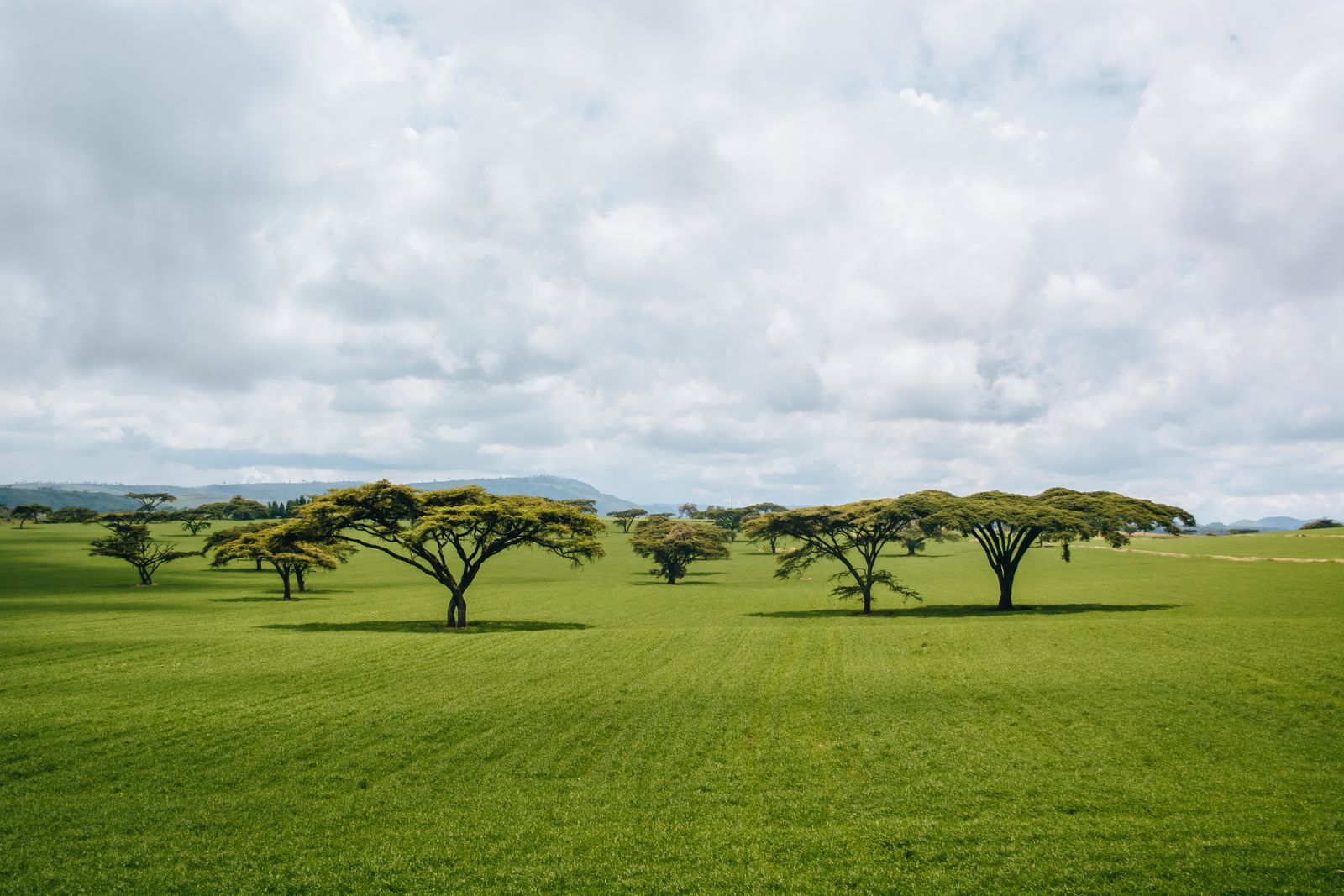
the platform
Proven Through Practice
Asilimara was started by a team. A team that has spent the last three years working in BioChar, with the singed eyebrows to prove it.
We designed a kiln for harsh African conditions: simple, inexpensive and built from locally available materials. Easy to maintain and easy to repair. Full of practical innovations aimed at making the process simpler and capable of producing meaningful amounts of BioChar.
Alongside the kiln, we developed a matching production process. Bush is cut down, dried and packed, almost like a Christmas tree, making transport and pyrolysis efficient and straightforward using the whole bush with minimal pre-processing. The result is an optimized process that has proven itself in practice.
We aced two certifications, sold Carbon Credits and got to know the world of carbon the hard way. Now we want to socialise it. Make that knowledge and experience available to farmers and communities.
The Platform
Asilimara enables farmers and communities to produce trusted carbon removals and restore their land.
Asilimara will become the C-Sink Manager, facilitating farmers and communities to operate their own BioChar production processes. We take care of all the non-farming aspects of BioChar production: kiln design and innovation, training, quality assurance, registration and monitoring, and even the sale of Carbon Credits. In short: the red tape.
The farmer makes the BioChar and restores the savannah. His savannah. For himself, his family and his community.
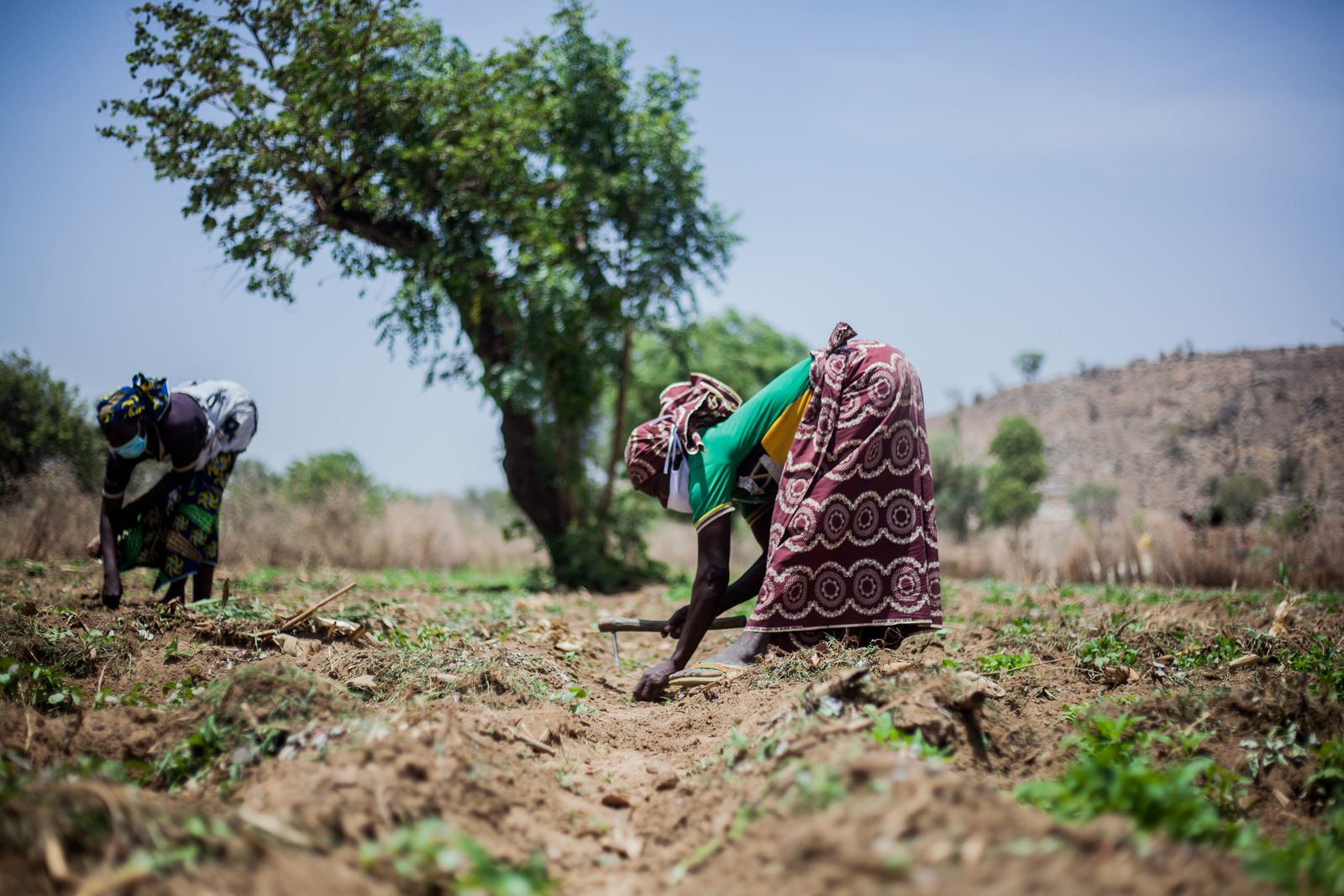
Restoring the savannah does not end when the BioChar has been produced. Bush grows back. If we want restoration to last, there must be aftercare. Can aftercare become an opportunity as well? We believe it can.
Our plan is to deploy herds of approximately 300 goats, each managed by three young shepherds. During three years they restore around 500 hectares while building their own future. At the end of those three years they receive 20% of the herd they helped to grow.
And they do not do that alone. They will be supported by our ARGUS system and Asilimara Adaptive Rangeland Management. Observe, measure, act and see what works. Adapt grazing and aftercare to what the land needs. The land benefits. The farmer benefits. The young shepherds build wealth on top of earning a salary. And the community gains another sustainable business.
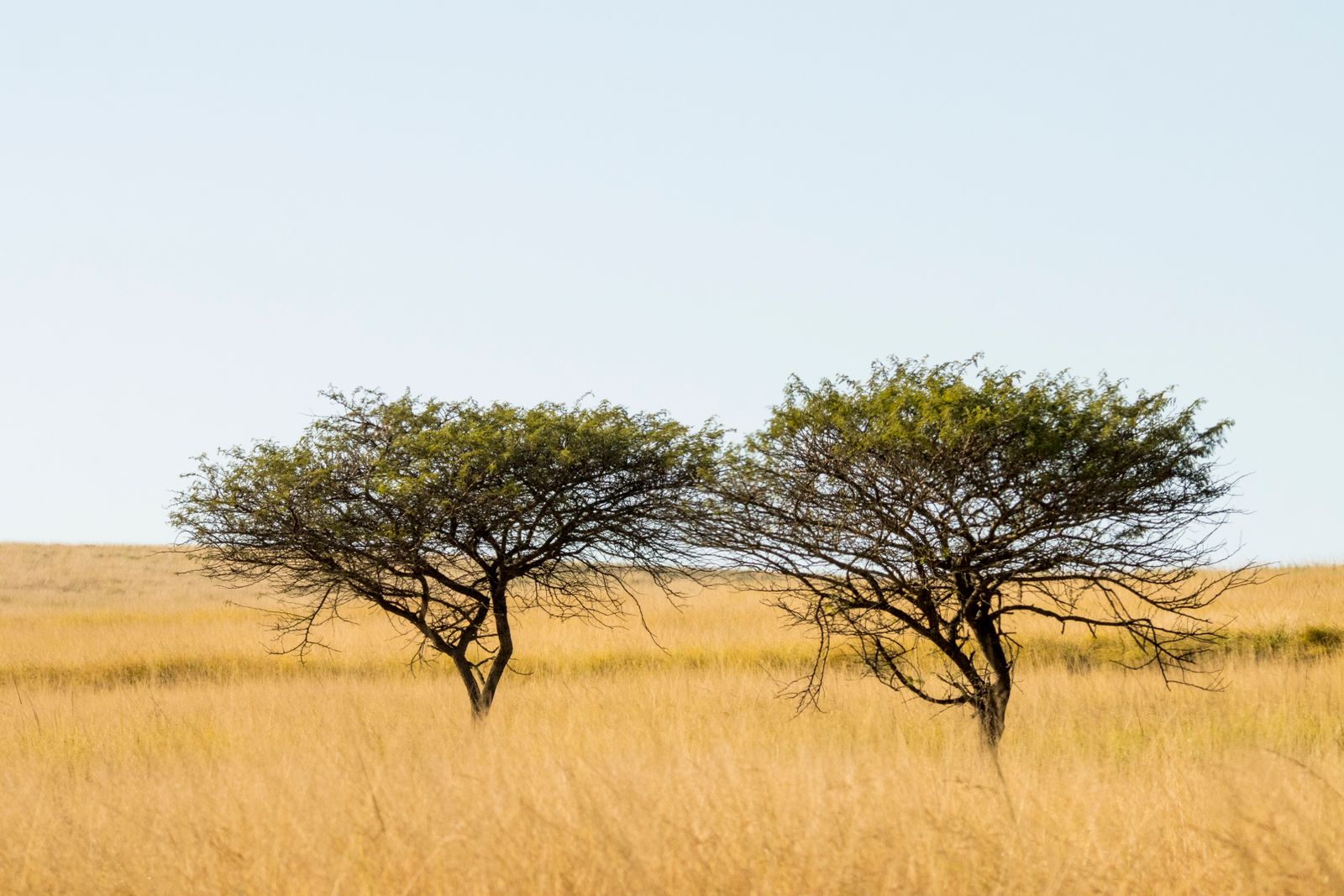
Agroforestry is another part of that productive hectare, where the land allows it. Keep suitable indigenous trees alongside grazing. Gum from the trees. Ximenia oil from the seed and syrup from the pulp. The tree stays standing and the farmer can earn again.
Because for us, regeneration is not an event. It is a process.
In practice, we work with five regenerative agriculture principles. And we measure what happens. Soil Organic Carbon, SOC, is one of our key measures of regeneration. We establish where we start and track the change over time. Gains may also create carbon value where they can be verified and qualify for Carbon Credits.
But restoring the land is not enough if the farmer cannot earn a living from it. That is why we add a sixth principle. An economic one.
- 1
minimise soil disturbance
- 2
keep the soil covered
- 3
maintain living roots
- 4
increase biological diversity
- 5
integrate livestock
- 6
diversify and stack income streams
A productive hectare should not depend on one product or one payday. Livestock and agroforestry can provide recurring income, alongside the value created from harvested biomass, BioChar and Carbon Credits.
The Carbon Credits are for the farmers, while Asilimara is compensated for the services it provides. A beautiful partnership. Their success is our livelihood. We work for our families as much as they work for theirs.